
If you’re launching a clothing brand, terms like MOQ, sampling, and lead times quickly become part of your vocabulary. However, while they’re commonly used, they’re often misunderstood — especially by startups entering production for the first time.
Understanding how these three elements work — and how they connect — is essential. It allows you to plan your collection properly, avoid delays, and prevent costly mistakes during production.
What Is MOQ (Minimum Order Quantity)?
MOQ stands for Minimum Order Quantity — the lowest number of units a manufacturer requires per style to move into bulk production.
This exists because factories need to make production efficient and viable. Before bulk production begins, several processes need to be accounted for:
- Fabric sourcing (often ordered in minimum rolls or quantities)
- Pattern grading across multiple sizes
- Machine setup and production line allocation
- Labour planning (including safe working environments)
- Quality control processes
Producing very small quantities makes it difficult to run these processes efficiently. It can also impact consistency and increase costs per unit.
For startups, finding a manufacturer with a manageable MOQ is important. Lower MOQs allow you to:
- Test styles before committing to larger quantities
- Manage cash flow more effectively
- Reduce the risk of overproduction
At Hook and Eye UK, our MOQ is 50 units per style/colour, which can be split across up to five sizes. This is considered low within the industry and strikes a balance — it allows startups to test products while still ensuring there is enough volume for proper quality control and ethical working conditions.
Very low MOQs can lead to reduced quality checks or unsustainable production practices, so it’s important to understand what sits behind the number — not just the number itself.
The Sampling Stage: Why It Matters
Before any bulk production begins, garments go through the sampling stage. This is one of the most important parts of the entire process and should never be rushed.
Sampling is where your design is physically created for the first time and reviewed in detail.
It allows you to:
- Test garment fit and sizing
- Assess fabric performance and feel
- Review stitching and construction
- Check branding placement and details
- Make necessary design adjustments
Behind the scenes, patterns are created, fabrics are sourced, and a prototype garment is produced. This sample is typically reviewed internally by the manufacturer before being sent to you.
Once you receive it, feedback is discussed, and updates are made. In most cases, multiple rounds of sampling are required to refine the garment.
At Hook and Eye UK, each sample is reviewed and a report created in house before sending to you for review. We also include a development session with our garment developer after each sampling stage, ensuring all changes are clearly discussed, and your tech packs are updated accordingly. This structured approach helps avoid confusion and keeps development aligned.
Skipping or rushing this stage often leads to mistakes that are far more expensive to fix during bulk production.
Lead Times: What Influences Them?
Lead time refers to how long each stage of production takes — from initial development through to final delivery.
Clothing production happens in stages, and each one contributes to the overall timeline.
Typical stages include:
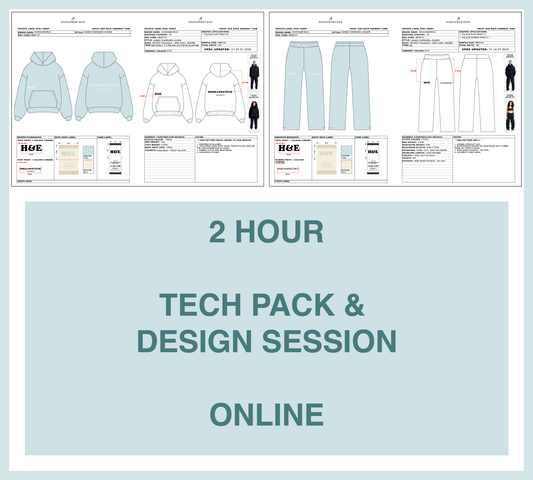
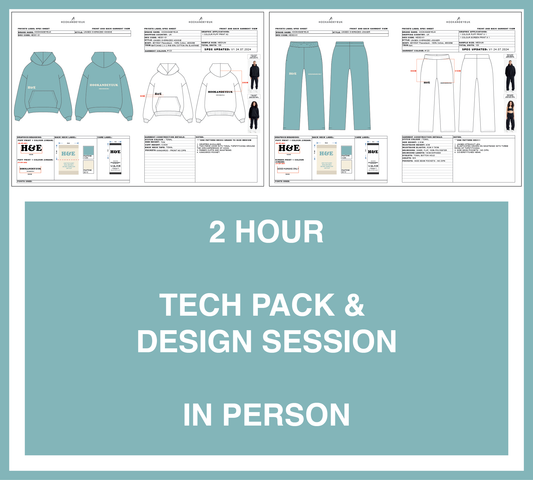
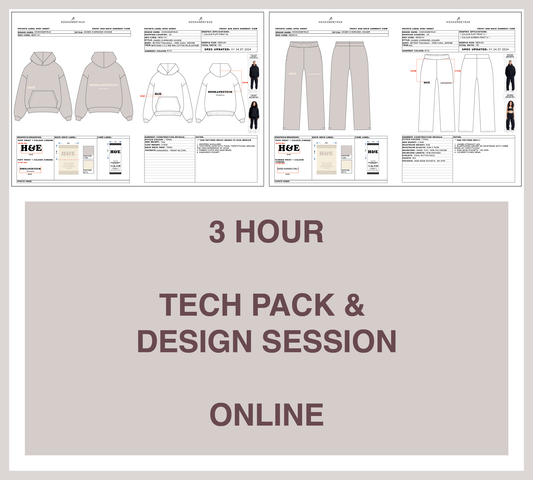
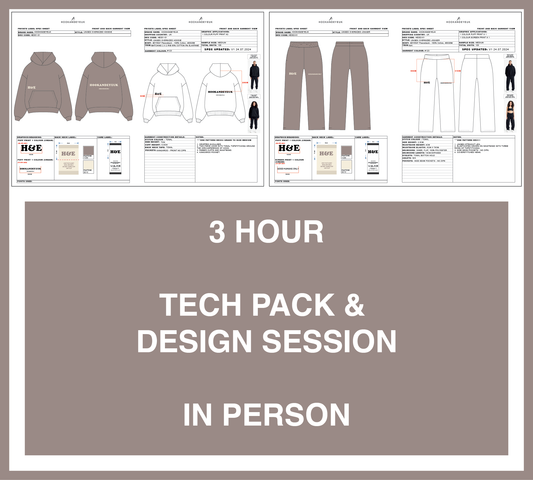
- Tech pack and design development (approximately 2 weeks)
- Initial sampling (4–8 weeks)
- Sample development (allow at least 5 weeks for each additional round of sampling)
- Bulk production (4–6 weeks)
- Shipping and delivery (2 weeks via air freight / 4–8 weeks via sea freight depending on location)
Lead times can vary depending on:
- Garment complexity
- Fabric sourcing timelines
- Quantity ordered
- Time of year (peak production seasons)
- Number of sample revisions
Production timelines are also influenced by factory scheduling and workload.
Because of this, it’s important to plan backwards from your intended launch date. In the wider fashion industry, collections are often planned up to two years in advance. While this isn’t always realistic for startups, a more practical approach is to plan at least 6 months ahead.
Focusing on trans-seasonal designs — garments that can be worn year-round — can also reduce pressure on strict seasonal deadlines.
How It All Connects
MOQ, sampling, and lead times are all part of the same process — and each one affects the other.
- MOQ determines when bulk production can begin
- Sampling ensures your product is accurate and ready for production
- Lead times determine when your finished garments will arrive
When these are properly understood and planned, production becomes structured and manageable — rather than unpredictable.
Final Thoughts
Behind every clothing collection is a carefully managed development and production process. Startups that understand MOQ, respect the sampling stage, and plan for realistic lead times are far more likely to launch successfully.
Clothing manufacturing isn’t instant — it’s a process that requires planning, patience, and clear communication.
When approached correctly, it gives you control over your product quality, timelines, and overall brand growth.
Start Your Production Journey with Confidence
If you’re preparing to launch your clothing brand, having the right support can make the entire process far more manageable.
At Hook and Eye UK, we guide startups through every stage — from tech pack and design creation to sampling, development, and production management.
Book a Tech Pack and Design Session with Hook and Eye UK and let our team help you navigate MOQ, sampling, and production timelines with clarity and confidence.
Hope you found this helpful,
H&E team :)

About the Author: Bethany is an experienced fashion designer at Hook and Eye UK, with a First-Class BA (Hons) degree in Fashion from the University of Northampton. She is the recipient of both the Fashanne East Midlands Design Award and the CORDURA Durable Design Award, recognising excellence in design and durability. Bethany began her career as a Design Assistant within the uniform industry, contributing to ranges for major brands including HSBC, EasyJet and Costa Coffee. She later worked as an Accessories Designer, creating licensed products for leading UK retailers such as Next, M&S and New Look. She joined Hook and Eye UK in November 2023.