
Sustainability has become one of the biggest influences shaping the future of fashion. Across the UK, consumers are paying closer attention to how their clothes are made, where materials come from, and whether brands are operating responsibly.
For new clothing brands, this presents an opportunity. Building sustainability into your business from the start can help strengthen customer trust, differentiate your brand in a crowded market, and create products designed to last.
However, creating a sustainable clothing brand involves far more than choosing an organic fabric or switching to recycled packaging. True sustainability influences every stage of your business, from product development and manufacturing to inventory management and customer communication.
The good news is that you don't need to be perfect from day one. The most successful sustainable brands focus on making informed decisions, improving continuously, and being transparent about their journey.
Start with a Clear Brand Mission
Many successful sustainable fashion brands begin by defining exactly what sustainability means to them. Ask yourself:
- What problem is my brand trying to solve?
- Why should customers choose my products over others?
- What values do I want my business to represent?
Your sustainability mission might focus on:
- Reducing fashion waste
- Encouraging slow fashion
- Creating long-lasting wardrobe staples
- Improving supply chain transparency
- Using responsibly sourced materials
- Reducing overproduction
Having a clearly defined purpose helps guide future business decisions and creates a stronger connection with customers who share similar values. Consumers are becoming increasingly sceptical of generic sustainability claims, so authenticity matters more than ever.
Focus on Quality Over Quantity
One of the simplest ways to build a more sustainable fashion business is to prioritise quality over volume.
Many new brands feel pressure to launch with large collections, multiple colourways, and dozens of products. In reality, a smaller collection often leads to better outcomes. We always refer to the product page of a website, too few style and you won’t install buyer confidence. Too many styles and there’s too much choice. Between 6-12 styles in 2 colourways each is a good place to start.
Launching with a focused product range allows you to:
- Invest more in garment quality
- Refine your designs more effectively
- Reduce development costs
- Minimise excess inventory
- Gather valuable customer feedback
Many successful clothing brands begin with fewer styles carefully developed products before expanding. When each product serves a clear purpose, customers are more likely to see value in your collection.
Avoid the Trap of Overproduction
One of the largest contributors to waste in the fashion industry is overproduction. Unsold inventory ties up cash, takes up storage space, and often leads to heavy discounting or disposal. For startups, sustainable manufacturing and smart business planning often go hand in hand.
Producing realistic quantities helps reduce:
- Cash flow pressure
- Storage costs
- Excess stock
- Product markdowns
- Unnecessary waste
Many emerging brands now choose manufacturers that offer lower minimum order quantities (MOQs), allowing them to test products before committing to larger production runs.
This approach not only reduces environmental impact but also lowers financial risk.
Hook and Eye UK offer a very low MOQ of just 50 units per style/colour which can be split into up to 5 sizes.
Build Products That Last
One of the most sustainable things a fashion brand can do is create garments people genuinely want to wear for years. Rather than chasing every trend, consider designing products that remain relevant beyond a single season.
Focus on:
- Timeless silhouettes
- Durable fabrics
- Quality construction methods
- Versatile colour palettes
- Functional design details
A garment that stays in someone's wardrobe for five years has a far lower environmental impact than one replaced after a few months.
Longevity is often overlooked in sustainability discussions, yet it is one of the most effective ways to reduce fashion waste.
Keep in mind that higher quality garments are more expensive to make and therefore should have RRP’s (recommended retail prince – the price you sell your items for). A higher RRP gives the style more value in the eyes of the customer. Do not be scared to charge more for well-made garments, be proud to be premium as it’s more sustainable!
Choose Sustainable Fabrics Where Possible
Fabric choice can have a significant impact on the environmental footprint of a garment.
While no fabric is completely impact-free, some materials offer lower environmental footprints than conventional alternatives. The key is choosing fabrics that align with both your product requirements and your sustainability goals.
Some popular sustainable options include:
- Organic cotton
- Recycled cotton
- Recycled polyester
- TENCEL™ Lyocell
- Hemp fabrics
When selecting fabrics, look for recognised certifications such as:
- GOTS (Global Organic Textile Standard)
- OEKO-TEX Standard 100
- Global Recycled Standard (GRS)
Certifications provide greater transparency and help verify sustainability claims. For example, the standards published by GOTS help brands understand how organic textiles are verified throughout the supply chain and what criteria must be met before a fabric can be certified.
However, it's important to remember that no fabric is completely impact-free. The goal should be making informed choices rather than chasing perfection.
Create Sustainable Packaging
Packaging is often overlooked during the launch phase of a clothing brand, but it can play an important role in reducing waste.
Consider options such as:
- Recycled cardboard mailers
- FSC-certified packaging
- Compostable mailing bags
- Recyclable swing tags
- Minimal packaging designs
Small changes can reduce environmental impact while reinforcing your brand's commitment to responsible practices.
Be Transparent About Your Journey
Today's consumers want to know more about the brands they support. Rather than making broad sustainability claims, focus on sharing meaningful information about:
- Your manufacturing process
- Fabric sourcing decisions
- Product development journey
- Sustainability goals
- Areas where you're still improving
Transparency builds trust. Customers are generally far more receptive to honest progress than unrealistic claims of being "100% sustainable."
Work with the Right Development and Manufacturing Partners
Sustainability starts long before a garment reaches production. Poor tech packs, inaccurate patterns, and multiple unnecessary sample revisions can create waste, delays, and additional costs. Working with experienced product development teams can help improve efficiency throughout the development process.
Benefits include:
- More accurate tech packs
- Better pattern development
- Fewer sampling rounds
- Improved communication
- Stronger quality control
Reducing mistakes during development is one of the most practical ways to improve sustainability while also protecting your budget.
Develop a Responsible Growth Strategy
A common mistake among fashion startups is trying to scale too quickly.
Sustainable growth means expanding at a pace that allows you to maintain quality, control inventory, and protect your brand values.
Focus on:
- Building customer loyalty
- Improving retention
- Refining products
- Strengthening supplier relationships
- Improving operational efficiency
A steady and controlled approach often creates a stronger business than rapid expansion.
Useful Resources for Sustainable Fashion Startups in the UK
If you're looking to learn more about sustainable fashion practices, there are several organisations that provide valuable guidance, research, and support for clothing brands.
Fashion Revolution
Fashion Revolution promotes greater transparency, accountability, and ethics throughout the fashion industry. Their resources can help brands better understand supply chains, responsible sourcing, and sustainability reporting.
UK Fashion & Textile Association (UKFT)
The UK Fashion & Textile Association (UKFT) is the UK's leading trade association for the fashion and textile industry. They offer industry guidance, networking opportunities, sustainability resources, and support for emerging fashion businesses.
WRAP
WRAP provides practical advice on reducing waste, improving resource efficiency, and implementing more sustainable business practices.
Ellen MacArthur Foundation
The Ellen MacArthur Foundation is widely recognised for its work on circular economy principles. Their research offers valuable insights into how fashion brands can reduce waste and design products with longevity and reuse in mind.
Keeping up to date with organisations like these can help you make informed decisions as sustainability standards, consumer expectations, and industry best practices continue to evolve.
Sustainability Is a Journey, Not a Destination
One of the biggest misconceptions about sustainable fashion is that brands need to achieve perfection immediately.
In reality, sustainability is about continual improvement.
The most successful brands focus on:
- Making informed decisions
- Reducing unnecessary waste
- Improving product quality
- Working with responsible suppliers
- Being honest about progress
Customers increasingly appreciate transparency and effort over unrealistic promises.
Final Thoughts
Building a sustainable clothing brand in the UK is about creating a business that balances environmental responsibility, ethical production, and commercial success.
By focusing on quality products, responsible growth, waste reduction, transparent communication, and thoughtful manufacturing decisions, new brands can build stronger relationships with customers while creating products designed to stand the test of time.
Sustainability is no longer simply a marketing advantage; it is becoming an essential part of building a resilient and successful fashion business.
How Hook and Eye UK Can Help
At Hook and Eye UK, we help startup and growing clothing brands develop products with quality, longevity, and responsible manufacturing in mind.
From design development and tech pack creation to pattern cutting, sampling, and production management, our experienced team supports you throughout the entire process.
We can also advise on fabric selection, sustainable material options, product development strategies, and efficient production processes that help reduce waste without compromising quality.
By helping brands create better products from the start, we reduce unnecessary development waste and streamline the journey from concept to production.
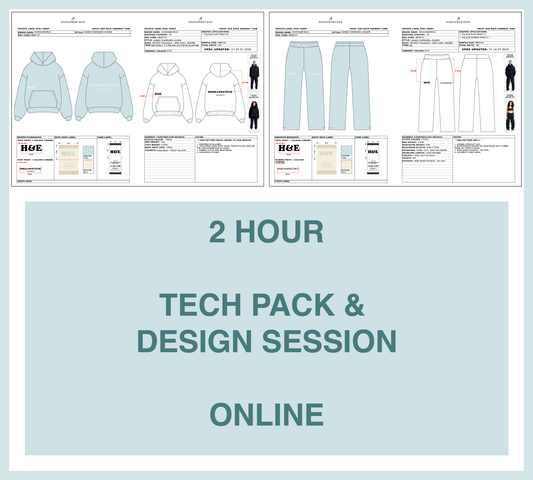
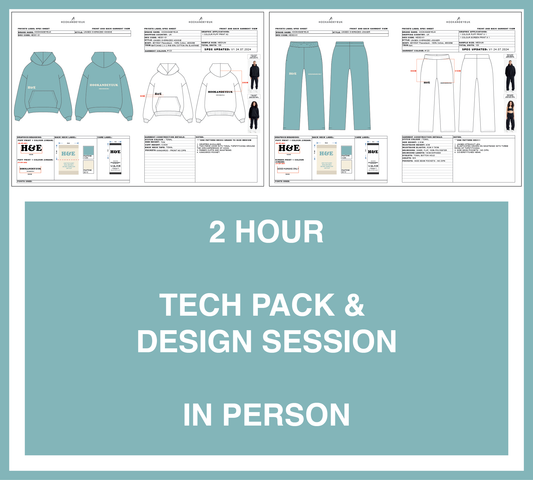
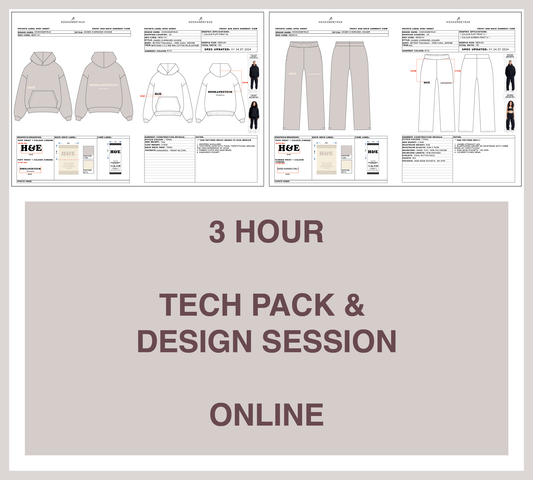
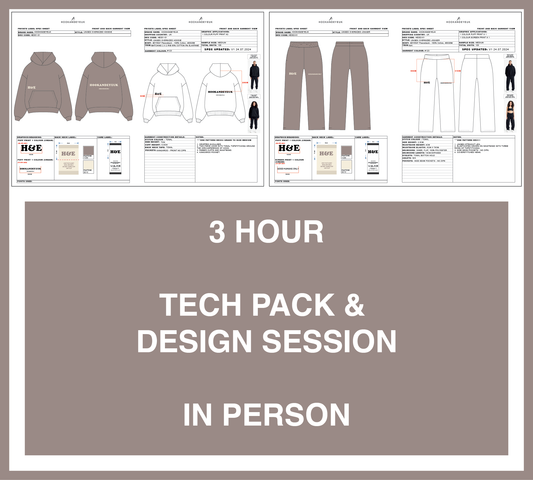
Book a Tech Pack & Design Session with Hook and Eye UK today and let our team help bring your clothing brand to life with a focus on quality, longevity, and responsible manufacturing.
Hope you found this helpful,
H&E team :)

About the Author: Bethany is an experienced fashion designer at Hook and Eye UK, with a First-Class BA (Hons) degree in Fashion from the University of Northampton. She is the recipient of both the Fashanne East Midlands Design Award and the CORDURA Durable Design Award, recognising excellence in design and durability. Bethany began her career as a Design Assistant within the uniform industry, contributing to ranges for major brands including HSBC, EasyJet and Costa Coffee. She later worked as an Accessories Designer, creating licensed products for leading UK retailers such as Next, M&S and New Look. She joined Hook and Eye UK in November 2023.