
At a glance, zipped hoodies and pull-over hoodies can appear almost interchangeable. They often use the same fabrics, silhouettes, and branding elements. However, from a product development and manufacturing perspective, the differences between the two are substantial.
These differences affect pattern construction, tech pack detail, measurements, sewing complexity, costing, and fit. Understanding where these changes occur helps brands avoid sampling errors, factory confusion, and unexpected production costs.
Below, we break down exactly what changes and why it matters.
Pattern Construction: Where the Differences Begin
The most fundamental differences between zipped and pull-over hoodies start at the pattern stage. While both garments may share a similar overall shape, the way they are engineered is very different.

Pull-Over Hoodie Pattern
A pull-over hoodie is structurally simpler because the front of the garment remains uninterrupted. This makes the pattern easier to balance and more forgiving during production.
Key characteristics
- Single front body panel
- No centre-front opening
- The kangaroo pocket is usually attached directly to the front panel
- Fewer seams disrupting the silhouette
Advantages
- Fewer pattern pieces overall
- Faster cutting and sewing processes
- Lower risk of alignment and symmetry issues
- Greater tolerance for minor production variation
Because the front panel is continuous, fit issues are generally easier to control.
Zipped Hoodie Pattern
A zipped hoodie introduces complexity immediately because the garment is split at the centre front. This requires greater precision from the very beginning.
Key characteristics
- Front body is divided into left and right panels
- Centre-front seam allowance added for zipper insertion
- Additional zipper facings or placket pieces, depending on design
- Pocket construction is often modified (split kangaroo or alternative pocket styles)
Implications
- Increased number of pattern pieces
- Exact symmetry is required between left and right panels
- Zipper alignment becomes a critical visual and functional element
- Even small pattern errors are highly visible once the garment is zipped
This makes zipped hoodies far less forgiving than pull-overs.
Tech Pack Changes: What Needs to Be Specified
Because zipped hoodies are more complex, the tech pack must provide more detailed instructions.
Tech Pack: Pull-Over Hoodie
With no centre-front opening, fewer variables need to be controlled.
Typically includes
- Front and back body pieces, sleeves, hood, cuffs, and hem
- Hood overlap direction and construction notes
- Kangaroo pocket size, placement, and attachment method
- Rib specifications for cuffs and hem
- Fabric and basic trim details
Measurement tolerances are usually more forgiving in this style.
Tech Pack: Zipped Hoodie
Once a zipper is introduced, the level of detail required increases significantly.
Additional specifications required
- Zipper type (metal, nylon coil, plastic)
- Exact finished zipper length (not tape length)
- Zipper brand (if required) and puller style
- Centre-front opening measurement
- Placket or facing width
- Stitch type and stitch spacing along the zipper
- Acceptable symmetry tolerance between left and right panels
Missing or unclear zipper details are one of the most common causes of sampling delays.
Measurement Differences That Matter
Measurements that seem straightforward on a pull-over hoodie become more sensitive when a zipper is involved. The way the garment is measured — and where — must change.
Pull-Over Hoodie
Measurements are taken across a continuous front panel, making consistency easier to maintain.
Key focus areas include:
- Chest width and body length are measured across one piece
- Neck opening size for comfort
- Hood depth and overlap
Zipped Hoodie
Measurements must account for the garment being split in two.
Key differences include:
- Body length must match perfectly on both sides of the zipper
- Zipper end position affects the hem rib attachment
- Additional reference points are often required to maintain symmetry
Even small inconsistencies are very noticeable when zipped.
Sewing Complexity and Construction
Although both garments may look similar when finished, the sewing process has differences.
Pull-Over Hoodie
The simpler structure results in a more straightforward sewing process.
This typically means:
- Fewer sewing operations
- Less specialised machinery required
- Lower risk of visible defects
- Faster production time
Zipped Hoodie
Zipper insertion introduces skill-dependent operations.
This includes:
- Precise zipper alignment
- Risk of puckering or twisting
- Uneven topstitching if not controlled
- Additional reinforcement at the top and bottom of the zipper
- More quality-control checkpoints
These factors increase production time and complexity.
Costing and MOQ Impact
The structural and construction differences between these two styles directly affect costing.
Pull-Over Hoodie
- Lower labour costs
- Fewer trims
Zipped Hoodie
- Added the cost of the zipper and related trims
- Higher labour costs due to extra sewing steps
- Slightly higher defect rate
- Often higher MOQ due to zipper sourcing (depending on type)
For budget-sensitive collections, this difference can be significant.
Fit and Wearability Considerations
Beyond production, zipped and pull-over hoodies behave differently when worn.
Key considerations include:
- Pull-over hoodies tend to feel more structured and uniform
- Zipped hoodies allow adjustable ventilation and easier layering
- Zipper weight can affect front balance and drape
- Poor zipper placement can distort the fit over time
These factors should be addressed during pattern development and documented in fit comments within the tech pack.
Final Thoughts
While zipped and pull-over hoodies may serve similar purposes, they are not interchangeable from a development standpoint. Zipped hoodies require:
- More detailed tech packs
- More complex patterns
- Tighter measurement tolerances
- Greater production expertise
Designing a zipped hoodie intentionally from the pattern stage — rather than adapting a pull-over later — leads to smoother sampling and more consistent production results.
How Hook and Eye UK Can Help
At Hook and Eye UK, we develop both pull-over and zipped hoodies with these structural differences in mind. Our experienced garment developers ensure patterns and tech packs are engineered correctly from the start.
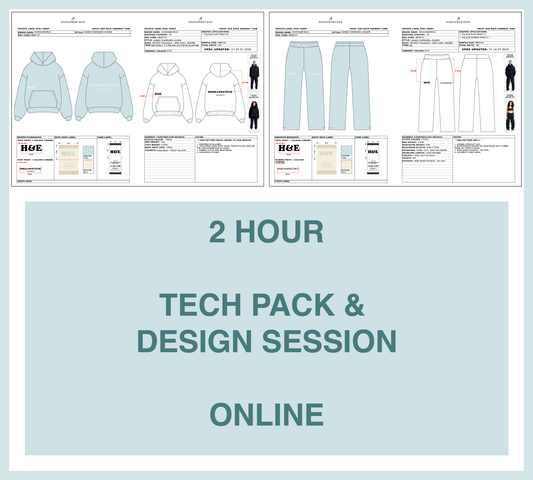
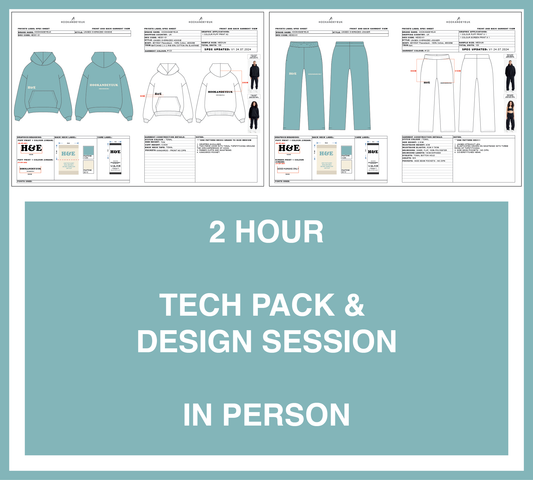
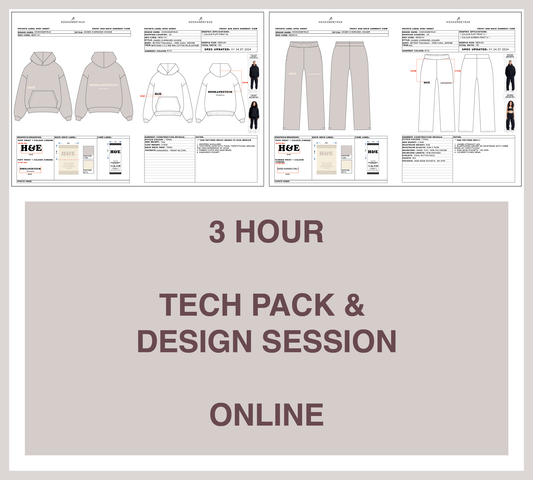
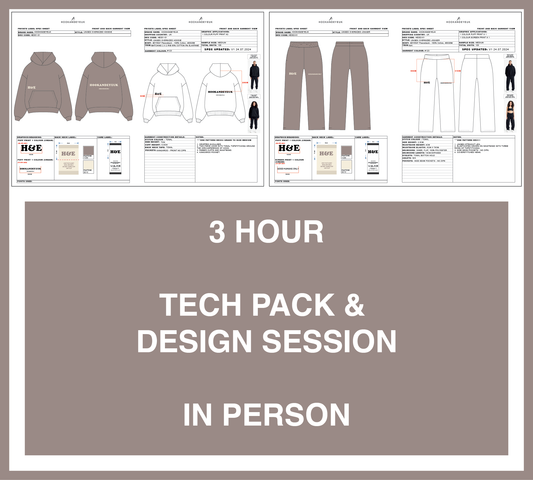
Through our live design and tech pack sessions, we:
- Build hoodie patterns specifically for zipped or pull-over styles
- Create factory-ready tech packs with all required details
- Reduce unnecessary sampling rounds
- Help brands avoid costly production mistakes
Book a Tech Pack and Design Session with Hook and Eye UK and develop hoodies that factories can produce accurately and confidently.
Hope you found this helpful,
H&E team :)

About the Author: Jocelyn Evans, owner of Hook and Eye UK, studied Fashion Design and Technology at Manchester Metropolitan University, including a year-long internship designing for Puma’s Team Sport division. After graduating, she worked with emerging grassroots brands in Birmingham and, in 2013, built a UK in-house design, sampling and manufacturing service that evolved into H&E. Recognising the limits of UK production, she expanded the business by pairing her UK team’s design, pattern cutting and sample expertise with overseas partners offering advanced fabric and construction technologies. Committed to transparency, sustainability and craftsmanship, Jocelyn creates only premium, long-lasting clothing—never fast fashion.