
Finding a clothing manufacturer is challenging enough, but finding one that is truly sustainable adds another layer of complexity, especially for small businesses. Many factories advertise themselves as ethical or eco-friendly, yet only a fraction genuinely operate in a responsible, transparent way.
If you’re still at the early stages of searching for a manufacturer, you may first want to read our guide on how to source the best clothing manufacturers here.
That article explains the sourcing process and where to begin, and this blog takes you further.
Here, we focus on how to separate good manufacturers from bad ones, how to identify who is truly ethical and sustainable, and who is simply using these terms for marketing purposes. With so many factories claiming to follow responsible practices, it’s important to understand what real sustainability looks like and what warning signs to look out for.
Start with the Most Honest Indicator: Pricing
One of the clearest clues about whether a manufacturer is operating ethically is their unit price.
If a quote feels too cheap, it usually means something else is being cut: worker pay, material quality, compliance, or all of the above.
Below is a realistic reference for (good quality) t-shirt manufacturing (excluding shipping and VAT):
Typical Manufacturing Costs for a High Quality T-shirt (GBP)
Small Batch (100–500 pcs) Per unit £13.50-£24 + Shipping + VAT.
Large Batch (1000+ pcs) Per unit £6.50-£17 + Shipping + VAT
Hook and Eye UK focus on premium-quality materials and lasting construction, which naturally places them in the ‘high quality’ bracket. Durable fabrics, better stitching, and ethical labour come at a fair and responsible cost.
If a factory offers premium products at bargain prices, that should prompt questions: How are they managing to charge so little? Who is absorbing the hidden cost?

Break Down What Goes Into Your Unit Price
A sustainable manufacturer will always be transparent about what contributes to your cost. You should expect clear explanations of:
Fabric (usually 40–60% of total cost)
- Heavier or organic fabrics cost more.
- Recycled, certified, or speciality textiles also increase the price.
Labour (approximately 15–40%)
Labour cost changes significantly by region:
- Lower in Bangladesh, India, Pakistan
- Mid-range in China
- Higher in the UK, Europe, USA
If your quote is suspiciously low from higher-labour-cost regions, it’s a major warning sign.
Printing & Embellishment (5–15%)
- Screen printing is generally more budget-friendly
- Embroidery, appliqué, multi-colour or detailed prints cost more
Trims & Accessories (2–10%)
Zips, cords, branded labels, and (un branded) metal hardware all influence your final price.
Packaging & Logistics (5–10%)
Includes bags, boxes, shipping from the factory to you, and customs if overseas.
Overheads & Factory Profit
Sustainable factories include fair wages, safe working conditions, and compliance costs; if pricing ignores these, something is wrong.
Ask for Proof: Ethical & Sustainability Accreditations
Any manufacturer can claim sustainability.
Before committing to a production partner, always ask what certifications or audit reports they work to / can provide. These documents show whether a manufacturer follows ethical labour practices, maintains safe working conditions, and manages quality in a transparent way.
Here are the key accreditations you should look for and the same standards that Hook and Eye’s UK manufacturing partners hold:
SEDEX / SMETA Audits
This audit is widely used throughout the fashion industry to assess ethical and responsible practices.
It examines:
· Working conditions
· Labour rights
· Health and safety standards
· Environmental impact
· Business ethics
SMETA audits offer reassurance that a factory meets internationally recognised expectations for ethical production. Hook and Eye work with factories that meet these criteria.
Alibaba Verified Gold Supplier
This verification is conducted by an independent third party and confirms:
· The manufacturer is a legitimate, registered business
· They have real production capability
· Their facilities and processes have been checked for transparency
It adds confidence, especially when working with overseas manufacturers. Hook and Eye’s partners hold this verification to demonstrate credibility.
ISO 9001 (Quality Management System)
ISO 9001 certification shows that a factory operates using structured, consistent, and reliable quality-management practices.
It indicates:
· Clear systems and processes
· Consistent product quality
· A commitment to customer satisfaction
· Ongoing improvement
This standard ensures that every batch meets the expected quality level. Hook and Eye work with manufacturing facilities that are ISO 9001 certified.
Evaluate Their Service Before You Commit
How a manufacturer communicates tells you a lot about their values.
Are they saying “yes” to everything?
This is a huge red flag. Experienced manufacturers guide you, challenge unrealistic ideas, and offer suggestions based on best practice before you commit to spending money.
Factories that say yes to everything often:
- Don’t understand what you need
- Won’t advise you properly
- Will cut corners to keep up the illusion
A good manufacturer is not afraid to say “This won’t work” or “We recommend an alternative.”
How fast is their response time?
Ethical factories respect communication. A reasonable timeframe is:
- Within 2 working days for general communication
- Faster for urgent production issues
If they're slow before production, expect worse during it.
Will they share photos or videos of your items during production?
While many manufacturers can’t show the entire production area due to confidentiality agreements with other brands, a reputable factory will still try to offer visibility wherever possible. It’s always worth asking if they can share images or short clips of your garments as they’re being made. The important thing is that they explain what they can show, what they can’t, and why transparency is a positive sign.
What Fabric Options Are They Offering You?
A sustainable clothing manufacturer should present you with genuinely eco-friendly choices, such as:
- Organic cotton
- Recycled polyester
- Tencel / Lyocell
- Recycled cotton
- Lower-impact dyed fabrics
If all they offer is standard polyester and basic cotton blends, their sustainability claims may be overstated.
Check Their Chemical Safety Standards (REACH Compliance)
REACH compliance ensures that textiles are produced without harmful chemicals or unsafe substances throughout the manufacturing process.
When a fabric is REACH-compliant, it means:
No Banned Chemicals
The material avoids restricted substances such as toxic dyes, heavy metals, or hazardous finishes.
Safe for Skin
REACH-compliant fabrics are tested to make sure they won’t trigger irritation, allergies, or long-term health issues.
Better for the Environment
The dyeing, washing, and finishing processes avoid chemicals known to contaminate waterways or damage ecosystems.
Any manufacturer promoting sustainability should be able to confirm REACH compliance or offer similar chemical-safety assurances.
Extremely Low MOQs Can Be a Warning Sign
Low MOQs sound attractive, especially for new brands, but when combined with low pricing, they may indicate:
- Underpaid workers
- Unsafe conditions
- Unregulated production
- Poor-quality materials
- Lack of proper sampling and development
Some factories offer MOQs as low as 25 units per style. But to produce such small quantities at bargain prices, something else is being compromised, often worker welfare or production quality.
Small MOQ + cheap price = investigate further.
Conclusion: If It Looks Too Good to Be True… It Probably Is
Finding a sustainable manufacturer takes research, communication, and an understanding of how ethical production really works. Small businesses are especially vulnerable to misleading claims, so trust your instincts, ask questions, and look for transparency at every stage.
A truly sustainable manufacturer will prioritise:
- Worker welfare
- High-quality materials
- Clear communication
- Fair pricing
- Traceable production
- Honest certifications
And they won’t need gimmicks or unrealistic promises to win your trust.
At Hook and Eye UK, sustainability and quality sit at the core of everything we do.
We guide brands through the entire garment development journey — from design to production — with honest advice and ethical practices.
We’re based in the UK, but our garment development team works with brands across the world, including the USA, Australia, Canada, Germany, Senegal, Poland, and the UAE.
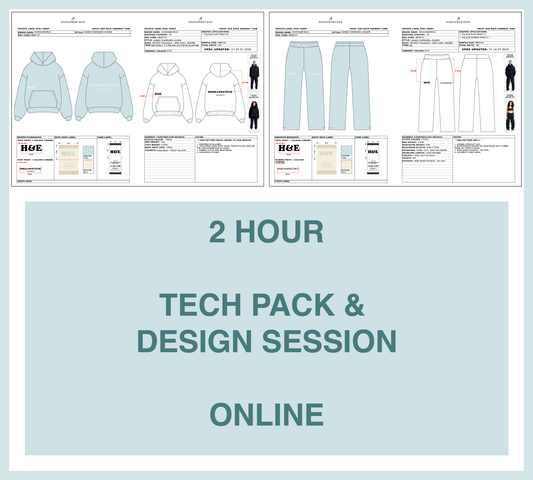
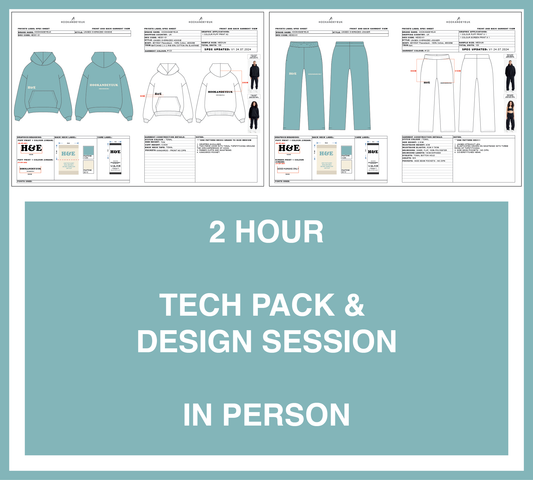
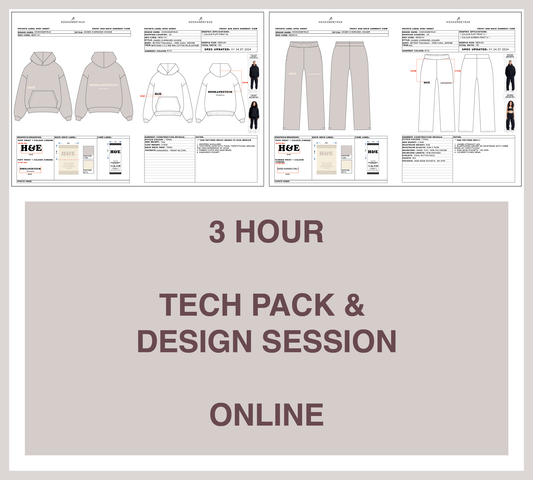
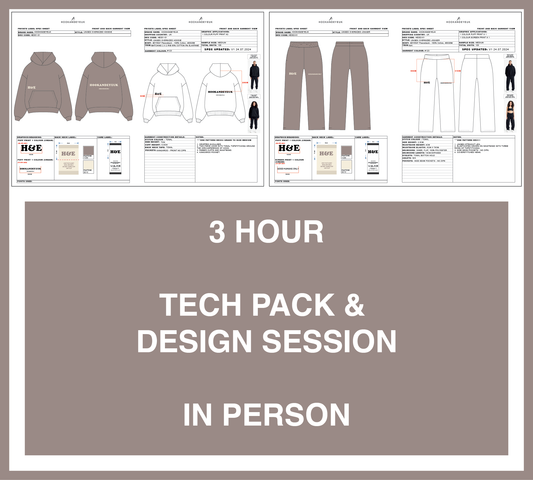
Book a Tech pack and Design Session with Hook and Eye UK and partner with a manufacturer who values transparency, craftsmanship, and long-term brand growth.
Hope you found this helpful,
H&E team :)

About the Author: Jocelyn Evans, owner of Hook and Eye UK, studied Fashion Design and Technology at Manchester Metropolitan University, including a year-long internship designing for Puma’s Team Sport division. After graduating, she worked with emerging grassroots brands in Birmingham and, in 2013, built a UK in-house design, sampling and manufacturing service that evolved into H&E. Recognising the limits of UK production, she expanded the business by pairing her UK team’s design, pattern cutting and sample expertise with overseas partners offering advanced fabric and construction technologies. Committed to transparency, sustainability and craftsmanship, Jocelyn creates only premium, long-lasting clothing—never fast fashion.