
Sustainability has become one of the most talked-about topics in fashion, but for new brands, it can also be one of the most confusing.
Almost every supplier claims to be "ethical", "eco-friendly", or "sustainable", yet these terms are often used without much evidence behind them. As a result, many startup founders struggle to understand what genuine sustainable manufacturing looks like and how to identify factories that actually follow responsible practices.
The good news is that sustainable manufacturing doesn't require perfection from day one. Instead, it starts with making informed decisions about your fabrics, your production processes, and the manufacturers you choose to work with.
If you're launching a clothing brand, understanding sustainable fabrics and factory standards can help you create better products, reduce waste, and build long-term trust with customers.
Why Sustainability Matters for New Clothing Brands
For many consumers, sustainability is no longer a bonus feature; it's an expectation.
Customers increasingly want to know:
- Where their clothes are made
- What materials have been used
- Whether workers are treated fairly
- How long are garments designed to last
For startup brands, this presents both a challenge and an opportunity.
Building sustainable practices into your business from the beginning can help:
- Strengthen brand credibility
- Build customer trust
- Reduce waste during development
- Improve product quality
- Create garments with a longer lifespan
However, sustainability is about far more than simply choosing an organic fabric. It requires looking at the entire manufacturing process.
Sustainable Fabrics Every New Brand Should Consider
One of the easiest places to begin your sustainability journey is with fabric selection.
While no fabric is completely impact-free, some materials have significantly lower environmental footprints than others.
Organic Cotton
Organic cotton remains one of the most recognised sustainable fabric options available today.
Unlike conventional cotton farming, organic cotton is produced without synthetic pesticides and harmful agricultural chemicals.
Benefits include:
- Lower environmental impact
- Soft and breathable hand feel
- Suitable for most non-stretch garments such as t-shirts, hoodies, loungewear and basics
- Strong consumer recognition
When sourcing organic cotton, look for independent certification rather than relying on supplier claims alone.
The most widely recognised certification is:
Recycled Polyester
Recycled polyester is typically produced from post-consumer plastic waste such as water bottles. Rather than creating new petroleum-based fibres, existing materials are given a second life.
Advantages include:
- Reduces landfill waste
- Lowers demand for virgin polyester
- Durable and performance-focused
- Excellent moisture-management properties
This makes it particularly popular within activewear and performance apparel. The only downfall is that it generally does not have the same stretch recovery rate as something like a spandex-nylon blend so it’s best to use for looser garments that do not require as much stretch.
Recycled Cotton
Recycled cotton uses discarded garments and textile waste that would otherwise end up in a landfill.
Benefits include:
- Reduced textile waste
- Lower water usage
- Supports circular fashion initiatives
- Suitable for casual wear and everyday garments
While recycled cotton can sometimes have limitations in fibre strength, modern blends continue to improve significantly. As the process of collecting, sourcing and shredding existing garments to create the recycled cotton fibres is intensive, the cost of recycled cotton is generally higher. It’s also not widely available in low MOQ’s.
TENCEL™ Lyocell
TENCEL™ Lyocell is produced from responsibly sourced wood pulp using a closed-loop manufacturing process.
Benefits include:
- Soft, premium feel
- Excellent breathability
- Moisture management properties
- Biodegradable fibres
Its combination of comfort and sustainability has made it increasingly popular within premium apparel. Tencel is available in low MOQ’s however is considered a more premium/expensive fabric to use.
Hemp
Hemp is often considered one of the most environmentally friendly natural fibres available.
Advantages include:
- Requires significantly less water than cotton
- Naturally durable
- Biodegradable
- Fast-growing crop with minimal agricultural inputs
Modern hemp blends are far softer than many people expect and are becoming increasingly common in contemporary fashion collections. Hemp t-shirts are a fast-growing market.
Sustainable Fabric Certifications Worth Knowing
Many suppliers market fabrics as "eco-friendly" without providing evidence.
This is why certifications matter.
Independent certification provides a level of verification that sustainability claims are supported by recognised standards.
Look for certifications such as:
GOTS (Global Organic Textile Standard)
The leading certification for organic textiles, covering both environmental and social criteria throughout the supply chain.
OEKO-TEX Standard 100
Confirms that fabrics have been tested for harmful substances and are safe for human contact.
Global Recycled Standard (GRS)
Verifies recycled content while assessing environmental and social practices during production.
Better Cotton Initiative
An initiative designed to improve environmental and social outcomes in cotton farming globally.
Certifications shouldn't be viewed as the only measure of sustainability, but they provide valuable transparency.
REACH Compliance
This is a rigorous European chemical standard designed to ensure that textiles and yarns are free from harmful, toxic substances that could leach into your skin, cause allergic reactions, or harm the environment. All Hook and Eye UK fabrics are REACH compliant.
Choosing an Ethical Clothing Manufacturer
The factory itself is important. A garment made from sustainable fabric in poor working conditions is not truly sustainable. When evaluating manufacturers, look beyond marketing claims and ask direct questions.
Fair Wages and Working Conditions
Ethical manufacturing starts with people.
Workers should:
- Receive fair pay
- Work reasonable hours
- Operate in safe environments
- Have access to appropriate welfare standards
Factories should be willing to discuss these policies openly. If a manufacturer becomes defensive or vague when asked about working conditions, it may be a warning sign.
Factory Certifications and Audits
One of the simplest ways to verify a factory's standards is through independent audits and certifications.
At Hook and Eye UK, our manufacturing partners hold recognised certifications and assessments, including:
- Sedex membership and SMETA ethical audits
- ISO 9001 quality management certification
- Independent third-party factory assessments
These assessments provide accountability and transparency throughout production.
Quality Control Is a Sustainability Issue
One aspect of sustainability that is often overlooked is product quality.
A poorly made garment that only lasts a few wears creates far more waste than a well-made garment designed to last for years.
Strong quality control helps:
- Reduce defects
- Minimise waste
- Improve customer satisfaction
- Extend garment lifespan
True sustainability is not just about how a garment is made; it's about how long it remains wearable.
Supply Chain Transparency
A trustworthy manufacturer should be willing to discuss:
- Fabric sourcing
- Production locations
- Audit reports
- Sustainability initiatives
- Factory standards
Transparency doesn't mean perfection. It means being open about processes and continuously working towards improvement.
Sustainability Beyond Fabric Choices
Many brands focus entirely on materials, but there are several other ways to reduce environmental impact.
These include:
Reducing Overproduction
Producing realistic quantities helps minimise unsold stock and waste.
Improving Product Longevity
Better fabrics, stronger construction methods, and improved testing create garments that stay in wardrobes longer.
Choosing Responsible Shipping Methods
Where timelines allow, sea freight generally has a significantly lower environmental impact than air freight.
Minimising Sampling Waste
Accurate tech packs, digital pattern development, and clear communication can reduce the number of sample rounds required.
At Hook and Eye UK, our detailed development process is designed to improve first-sample accuracy and reduce unnecessary waste during product development.
Sustainability Is a Journey, Not a Marketing Claim
One of the biggest mistakes new brands make is believing they must become perfectly sustainable overnight. The reality is that sustainability is a process of continual improvement.
The most successful brands focus on practical, achievable steps such as:
- Choosing responsible fabrics
- Working with ethical manufacturers
- Producing quality garments
- Reducing unnecessary waste
- Being transparent with customers
Consumers increasingly value honesty over unrealistic sustainability claims.
Final Thoughts
Sustainable fashion starts long before a garment reaches the customer.
It begins with thoughtful fabric selection, responsible manufacturing partnerships, and a commitment to producing garments that are designed to last.
For new brands, the goal shouldn't be perfection. The goal should be making informed decisions that improve both your products and your production processes over time.
By choosing eco-friendly materials, verifying certifications, and partnering with transparent manufacturers, you can build a clothing brand that is not only commercially successful but also better positioned for the future.
How Hook and Eye UK Can Help
At Hook and Eye UK, we help startups and growing brands develop garments with sustainability, quality, and longevity in mind.
From fabric sourcing and tech pack development to sampling and production management, our team works closely with trusted manufacturing partners who meet recognised ethical and quality standards.
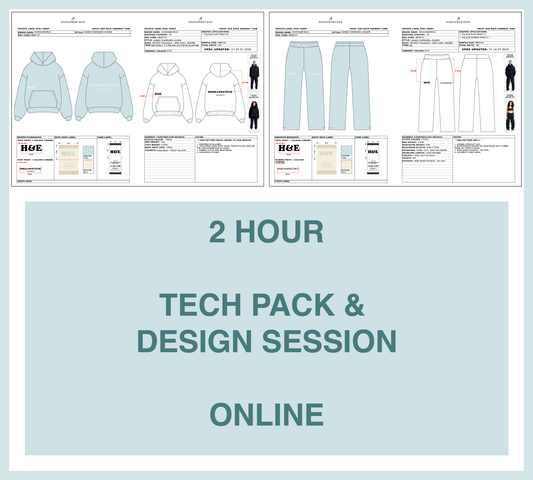
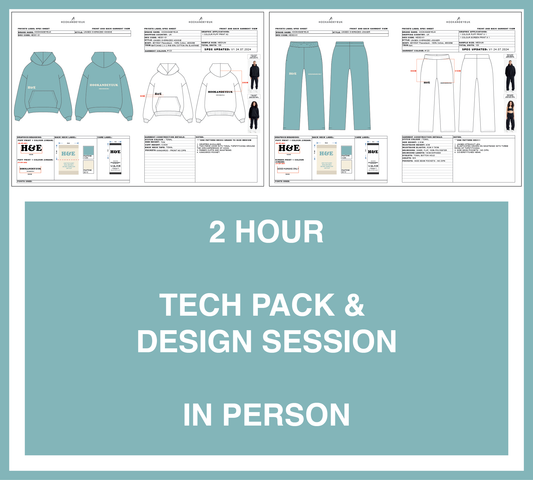
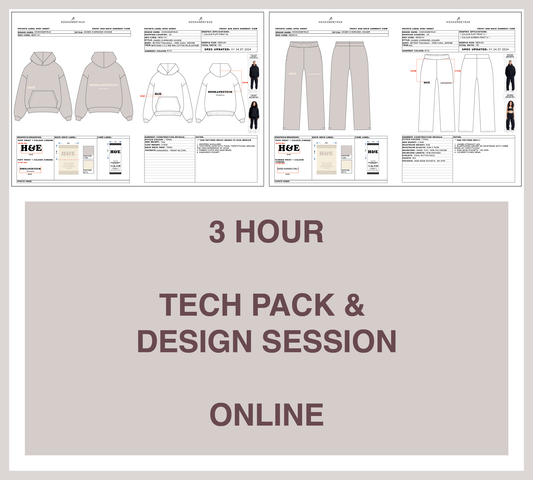
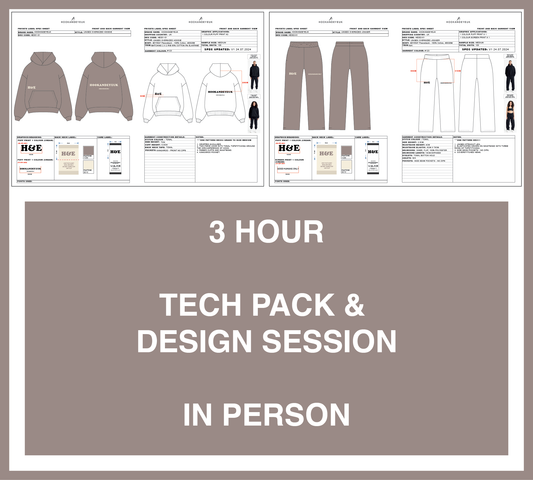
Book a Tech Pack & Design Session with Hook and Eye UK and let our team help you build a clothing brand that balances commercial success with responsible manufacturing practices.
Hope you found this helpful,
H&E team :)